Compare 223 shoulder and elbow fellowship pathways across 34 countries on OrthoFellow. Review shoulder-focused, elbow-focused and combined programmes, with recruitment status and official sources.
Separate programmes centred on arthroplasty, instability, cuff reconstruction, sports work and elbow surgery. A high-volume shoulder service does not automatically provide balanced elbow exposure.
223canonical pathways
34countries represented
121funded or stipend-published
80funding not published
131active, upcoming or rolling
1–24 monthspublished duration range
Questions applicants should ask
How are primary, revision and arthroscopic cases divided?
Is elbow surgery a core rotation or occasional exposure?
What clinical role is permitted after registration and credentialing?
Countries with the most listed pathways
EXPLORE BY CITY
Shoulder and Elbow fellowship cities
These focused city pages pass OrthoFellow’s inventory threshold or a documented high-intent evidence review. A network host remains part of its canonical parent pathway.
In the United States, shoulder and elbow fellowships are usually one year and recruit through the ASES fellowship match run on SF Match.
Elsewhere, upper limb fellowships are offered by hospitals and recognised through societies such as BESS (UK), SECEC-ESSSE (Europe) and the AOA (Australia), alongside short observerships for visiting surgeons.
Also searched as: shoulder fellowship, elbow fellowship, upper limb fellowship.
Separate shoulder arthroscopy, arthroplasty and elbow reconstruction when comparing programmes. ASES recognised listings and SF Match participation do not establish equal elbow exposure or international eligibility.
Route guidance reviewed 12 October 2026. Programme verification dates are recorded separately.
Clinical, research and observer posts have different permissions. Published eligibility, salary, registration and visa terms must be confirmed with the host; a directory listing does not confirm a vacancy. Network hosts remain inside their parent pathway.
BEFORE YOU APPLY
Questions about Shoulder & Elbow fellowships
What is a shoulder and elbow fellowship?
A shoulder fellowship may focus on arthroscopy, instability, rotator cuff surgery or arthroplasty. An elbow fellowship may include trauma, stiffness, reconstruction or joint replacement. Combined shoulder and elbow programmes vary in their balance of cases; confirm dedicated elbow training and the fellow’s clinical role with each host.
How do I apply for a shoulder and elbow fellowship in the United States?
In the United States, shoulder and elbow fellowships are usually one year and recruit through the ASES fellowship match run on SF Match.
Can international surgeons apply for a shoulder and elbow fellowship?
Elsewhere, upper limb fellowships are offered by hospitals and recognised through societies such as BESS (UK), SECEC-ESSSE (Europe) and the AOA (Australia), alongside short observerships for visiting surgeons. Each OrthoFellow profile records the published eligibility, registration and visa requirements for that programme.
Which countries offer the most shoulder and elbow fellowships?
On OrthoFellow the countries with the most listed shoulder and elbow pathways are United States (46), United Kingdom (30), Australia (24), Canada (16), France (13). Counts are canonical pathways in the directory, not vacancies; confirm availability with each host.
What types of Shoulder & Elbow programmes are listed?
This directory separates clinical fellowships, research fellowships and observerships. The unfiltered Shoulder & Elbow page currently contains 223 canonical pathways; network host centres remain inside their parent pathway.
Does a Shoulder & Elbow fellowship guarantee hands-on operating?
No. Clinical participation depends on the published role, registration, credentialing, supervision and host policy. Treat exposure as observational when the official source does not confirm operative participation.
How should I confirm a Shoulder & Elbow programme is open?
Check the status, deadline and verification date on the OrthoFellow profile, then reopen the official programme source. A historical or recurring programme is not treated as actively recruiting without current evidence.
Your choice: optional Google Analytics
Help us understand which pages are useful. Google Analytics stays off unless you allow it. Declining does not affect access to OrthoFellow. Privacy policy
 ✓ Verified 15 Oct 2026
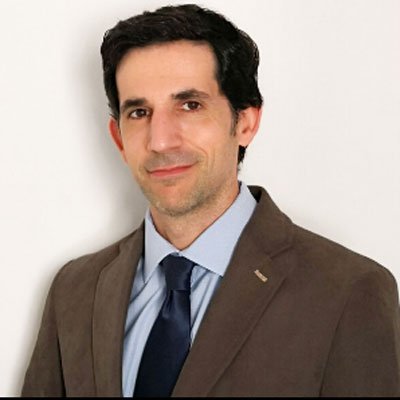 Dr. Juan Pablo Simone (Director; past president, Asociación Argentina de Cirugía de Hombro y Codo)DG
 Dr. Guido Forns