Australia has a large mix of AOA-accredited fellowships, hospital posts, society-supported fellowships and subspecialty private-practice programmes.
192Total programs
12Subspecialties
190Clinical & visiting
2Research
0Network host institutions
CITY DIRECTORIES
Cities with orthopaedic fellowship opportunities
These locations meet OrthoFellow’s city-page quality threshold. A network-host pathway is labelled separately and never treated as a duplicate programme.
How to use the Australia orthopaedic fellowship directory
Australian orthopaedic fellowship information is distributed across AOA accreditation summaries, hospital recruitment pages, subspecialty society listings and individual practice pages.
Application approach
OrthoFellow separates current application signals from long-standing training identities. When a listing is accredited but no current vacancy is posted, availability remains unconfirmed until the source publishes a fresh intake.
Choose the training format before comparing cities: a public-hospital clinical appointment, a private-practice rotation, a research fellowship and an observership can have different duties and funding. Ask who employs the fellow, which hospital sites are included and how clinical supervision is arranged.
Check AOA accreditation status where listed, then confirm whether a current vacancy is open.
Review Ahpra registration eligibility and hospital credentialing before relying on a clinical role.
Confirm salary, superannuation, leave and on-call expectations from the official employer or advert.
Compare public-hospital and private-practice exposure because operative autonomy can differ.
For eligible overseas specialists or specialists-in-training, review the Medical Board short-term training pathway with the host and relevant specialist college. A fellowship offer does not itself approve registration.
Deadlines and documents
Australian posts often use direct enquiry, hospital recruitment cycles or rolling expressions of interest rather than one national deadline.
Common documents include current cv with operative, research and teaching experience, motivation statement explaining subspecialty goals and host fit, medical degree, orthopaedic training certificate and board or college evidence where required, two or three references, often including a programme director or current head of department, passport, registration, visa or occupational-health documents when the hospital requires them, primary-source qualification verification, college assessment and supervision documents when required for the chosen registration pathway.
Language, registration and visa
Clinical roles need appropriate Medical Board registration through Ahpra and hospital credentialing. The short-term specialty training pathway requires a suitable position, college assessment and supervised practice; it does not lead to ongoing or specialist registration. Check English-language standards and visa requirements for your own route.
AOA or hospital summaries sometimes publish salary packages; private-practice and observer pathways may require direct confirmation.
The first 24 profiles include full comparison details. These 168 additional source-linked profiles use a compact layout so this destination stays fast without hiding any programme from applicants or search engines.
Sydney Shoulder Research Institute / Sydney Shoulder Specialists (Royal North Shore Hospital and partner hospitals) · Sydney, New South Wales, Australia
Sir Charles Gairdner Hospital / St John of God Hospitals / University of Western Australia · Perth, Western Australia, Australia
Closed for this cycle
MONITORED RECORDS
Completed travelling fellowships
1 record
These profiles remain source-linked because the programme is recurring or historically verifiable. They are not presented as accepting applications today.
Australian Hand Surgery Society (AHSS) · Sydney, New South Wales, Australia
Completed travelling fellowship
FELLOWSHIP FACULTY
Orthopaedic fellowship faculty in Australia
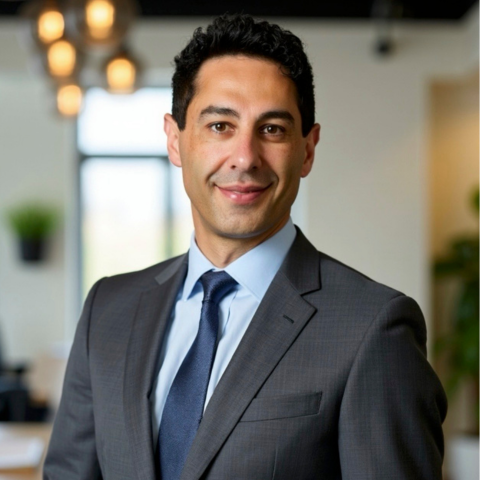
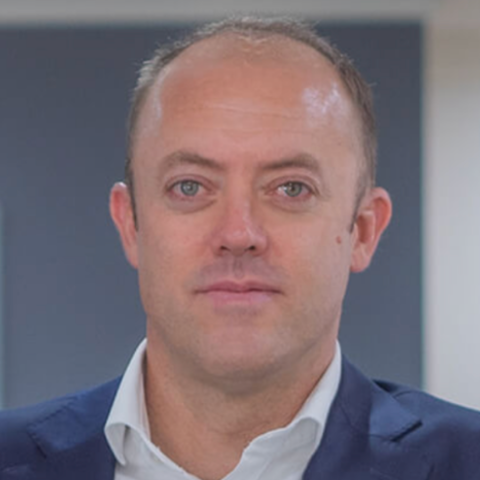
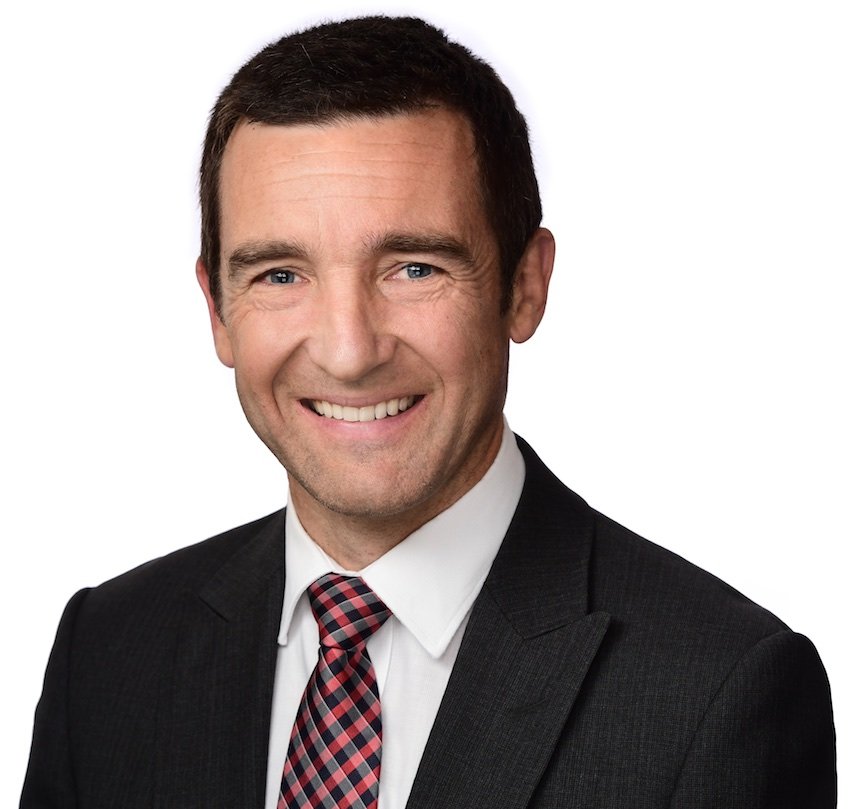
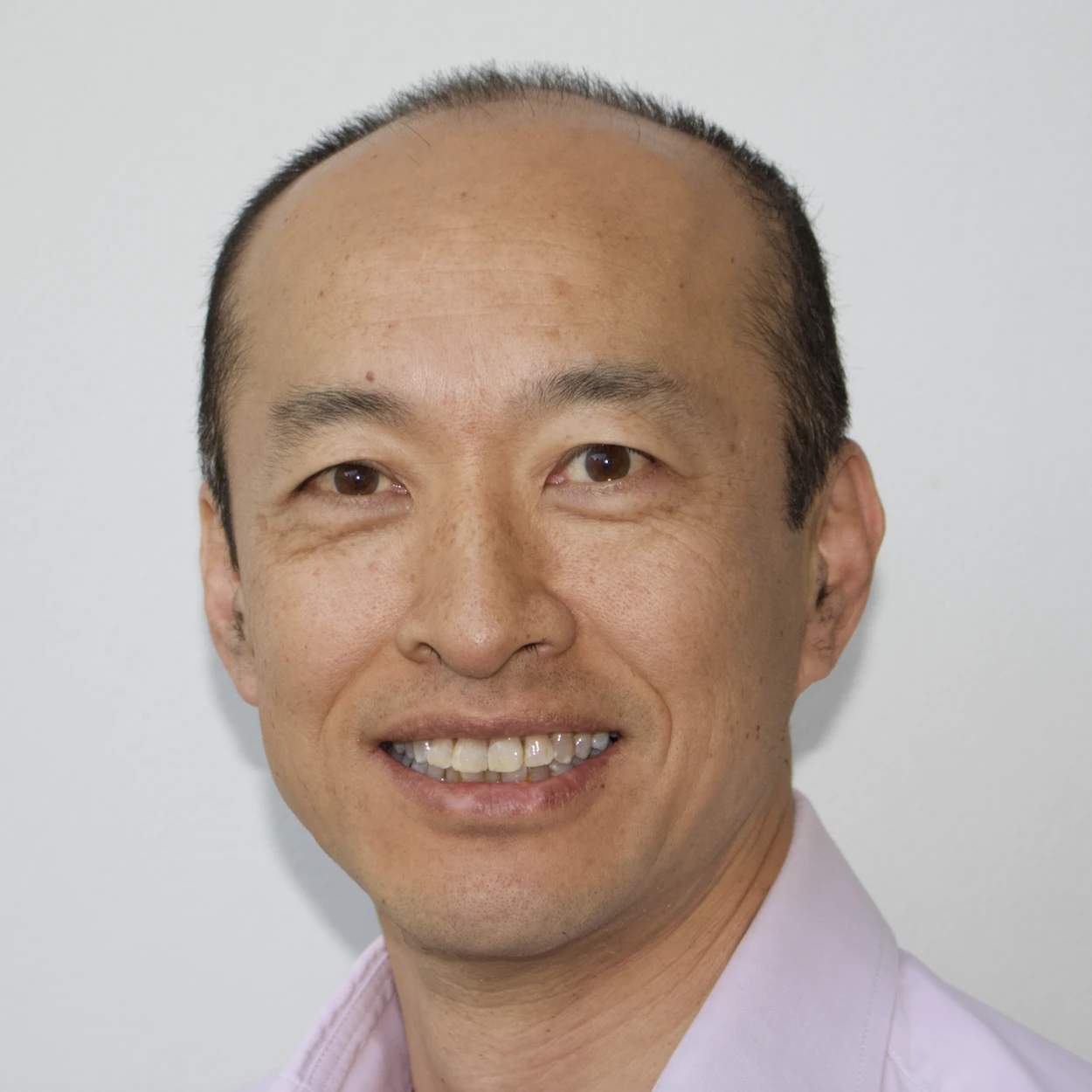
318 people are named on source-backed Australia programme pages. Each profile links to the official source and to the programmes the person is connected to.
What orthopaedic training programmes are listed in Australia?
OrthoFellow currently indexes 192 current canonical pathways in Australia: 183 clinical fellowships, 2 research fellowships, 7 observerships and 0 short courses. 1 additional verified programme records have a closed or completed published cycle and remain monitored below. Open each profile for its exact classification and current cycle status.
Are international surgeons eligible for every programme in Australia?
No. Eligibility, language, registration, immigration permission and hospital privileges depend on the specific programme and host. OrthoFellow shows published requirements and labels missing information for direct confirmation.
How current are the Australia listings?
Each programme profile shows its own checked date and official source. Availability and deadlines can change, so applicants should reopen the current official programme page before applying or paying costs.
Does AOA accreditation mean a position is open now?
No. Accreditation supports programme identity, but OrthoFellow separately tracks current application evidence and availability status.
Can overseas surgeons do hands-on fellowships in Australia?
Possibly, but the route depends on Ahpra registration, visa eligibility and hospital credentialing. Applicants should confirm before applying.
Why do some Australian profiles show no deadline?
Many host pages publish an accredited or recurring pathway without a fixed closing date; OrthoFellow labels those as rolling or direct enquiry only when supported by the source.
Does an Australian fellowship lead to specialist registration?
An educational fellowship and specialist registration are separate matters. The Medical Board states that its short-term specialty training pathway does not lead to ongoing or specialist registration; applicants seeking that outcome must investigate the appropriate registration route.
What should an Australian fellowship salary comparison include?
Request the employer's written terms for gross salary, superannuation, on-call work, leave, registration costs and any research or private-hospital duties. A grant or accommodation allowance should not be treated as an employment salary.
Your choice: optional Google Analytics
Help us understand which pages are useful. Google Analytics stays off unless you allow it. Declining does not affect access to OrthoFellow. Privacy policy