South Korea's indexed profiles are concentrated around high-volume hospital and academic centres, especially Seoul, with sports, knee, spine and paediatric signals.
35Total programs
11Subspecialties
34Clinical & visiting
1Research
2Network host institutions
CITY DIRECTORIES
Cities with orthopaedic fellowship opportunities
These locations meet OrthoFellow’s city-page quality threshold. A network-host pathway is labelled separately and never treated as a duplicate programme.
How to use the South Korea orthopaedic fellowship directory
South Korea fellowship discovery often depends on university-hospital departments, international observership routes and subspecialty contacts rather than a single national directory.
Application approach
OrthoFellow treats missing English-language details cautiously. If an application route, stipend or deadline is not published, the field remains marked for direct confirmation.
Confirm whether the programme accepts international applicants and in what role.
Check Korean or English working-language expectations with the host department.
Ask whether the role is hands-on clinical training, observation, research or visiting scholarship.
Verify visa, hospital clearance, insurance and accommodation before committing travel.
Use city and subspecialty filters to compare Seoul with other documented centres.
Deadlines and documents
South Korea profiles may use direct enquiry or host-specific academic calendars; fixed deadlines are uncommon unless the source publishes a call.
Common documents include current cv with operative, research and teaching experience, motivation statement explaining subspecialty goals and host fit, medical degree, orthopaedic training certificate and board or college evidence where required, two or three references, often including a programme director or current head of department, passport, registration, visa or occupational-health documents when the hospital requires them.
Language, registration and visa
Language and registration requirements depend on the host and clinical role. Hands-on work requires direct institutional confirmation.
Funding is often unpublished in public profiles; applicants should confirm stipend, tuition, accommodation and self-funded status early.
VERIFIED NETWORK HOSTS
Institutions you can explore
Hospital and clinic profiles connected to an official fellowship or education-centre pathway. A recognised host does not automatically mean that a position is open.
Spine · AO
Gangnam Severance Spine Hospital, Department of Neurosurgery
The first 24 profiles include full comparison details. These 11 additional source-linked profiles use a compact layout so this destination stays fast without hiding any programme from applicants or search engines.
Kyungpook National University Hospital, Orthopaedic Surgery · Daegu, Daegu, South Korea
Upcoming cycle
MONITORED RECORDS
Completed travelling fellowships
1 record
These profiles remain source-linked because the programme is recurring or historically verifiable. They are not presented as accepting applications today.
SFA / Korean Shoulder and Elbow Society / SOFEC · Seoul, South Korea
Completed travelling fellowship
FELLOWSHIP FACULTY
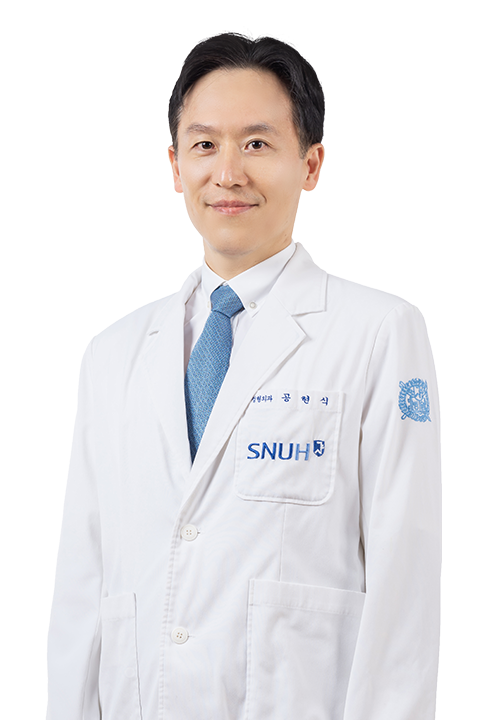
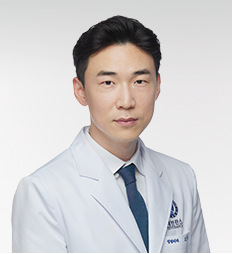
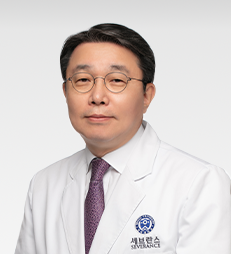
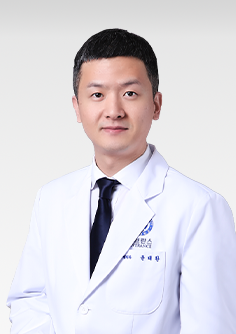
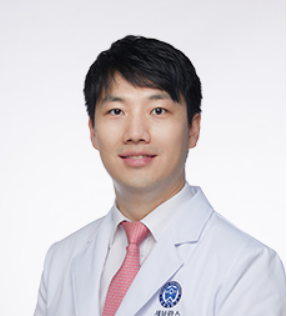
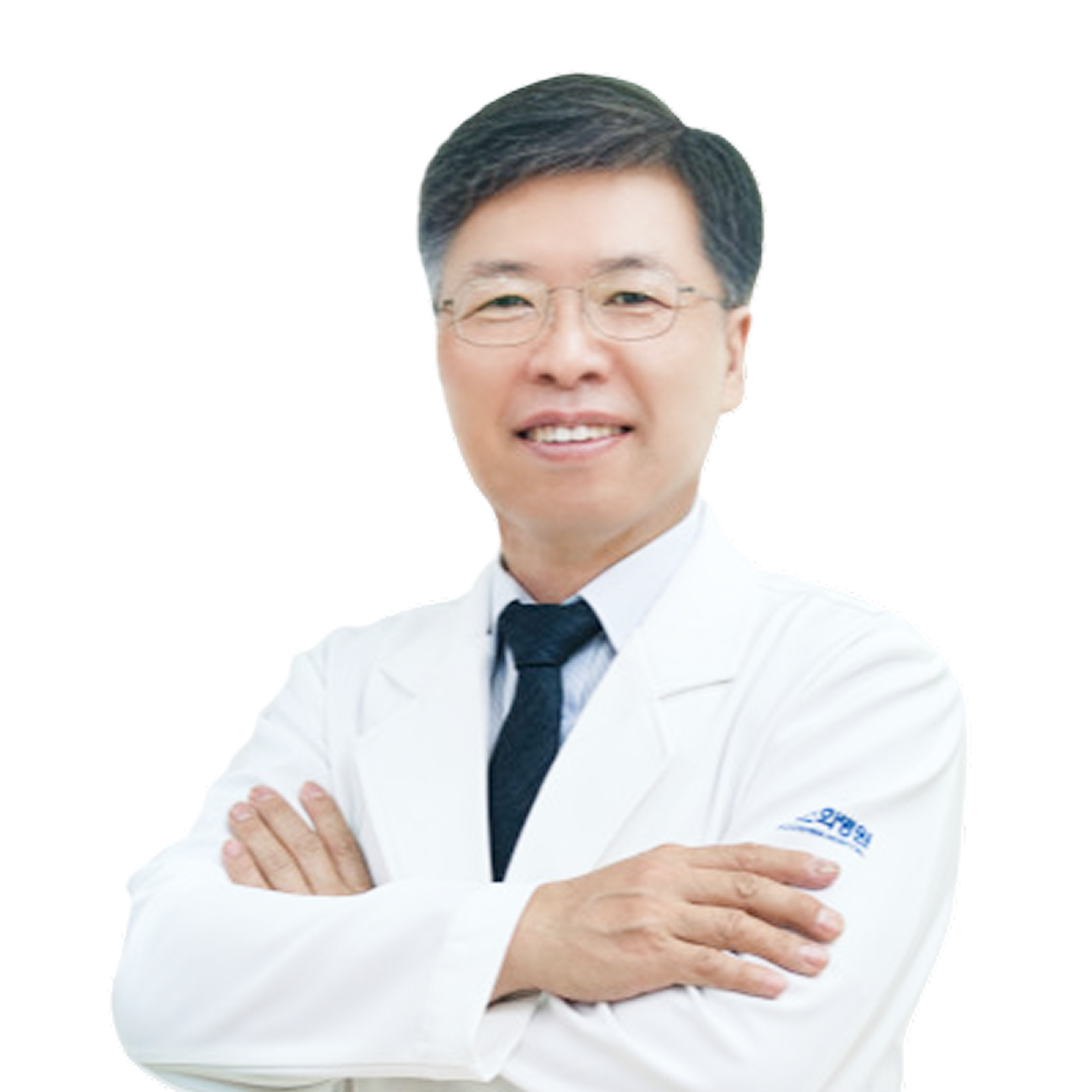
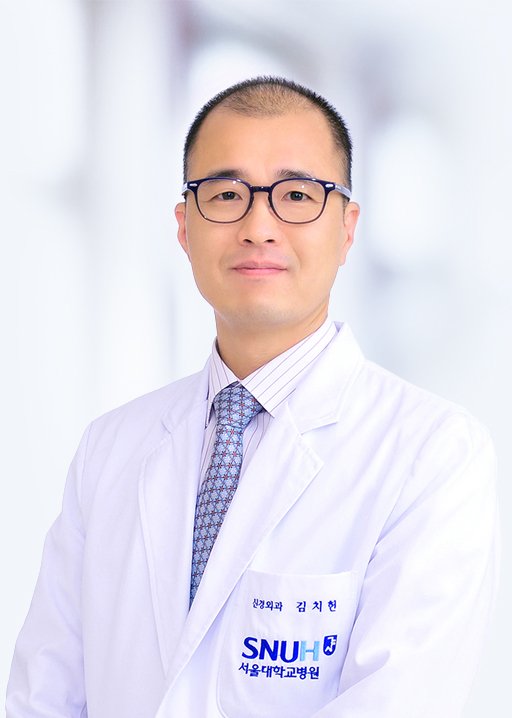
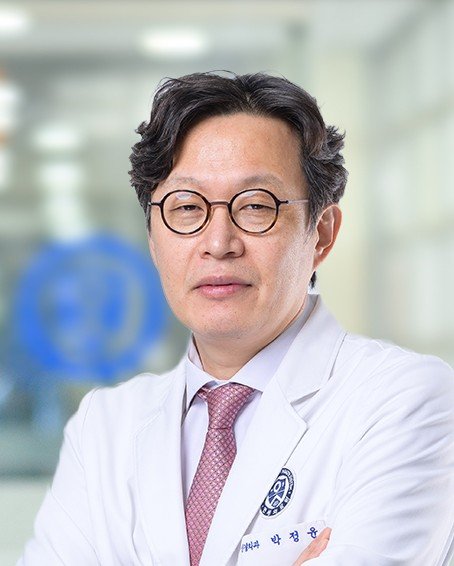
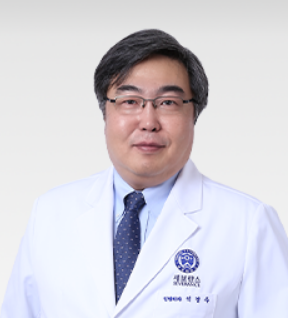
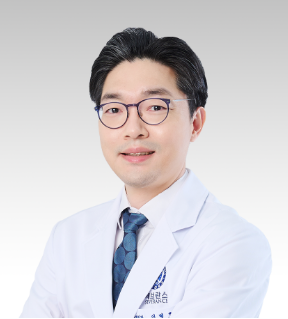
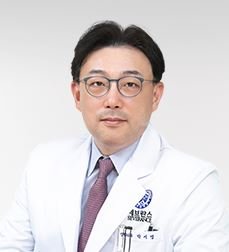
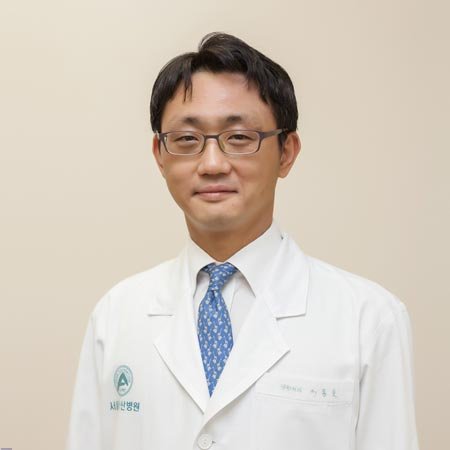
Orthopaedic fellowship faculty in South Korea
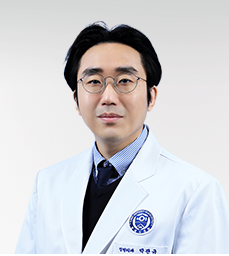
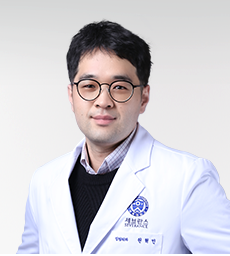
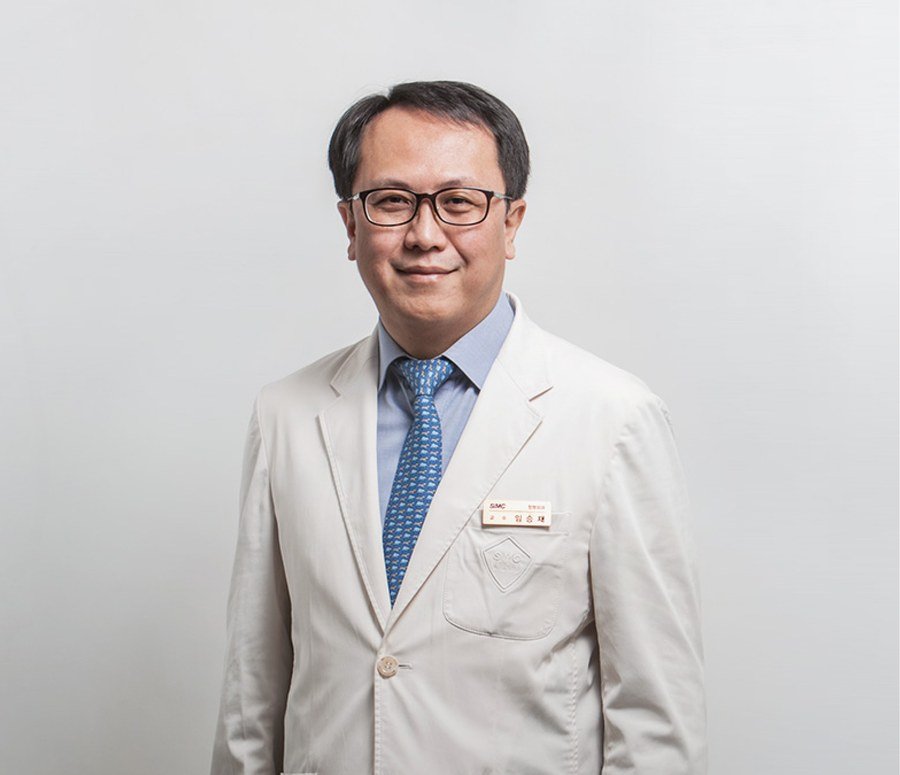
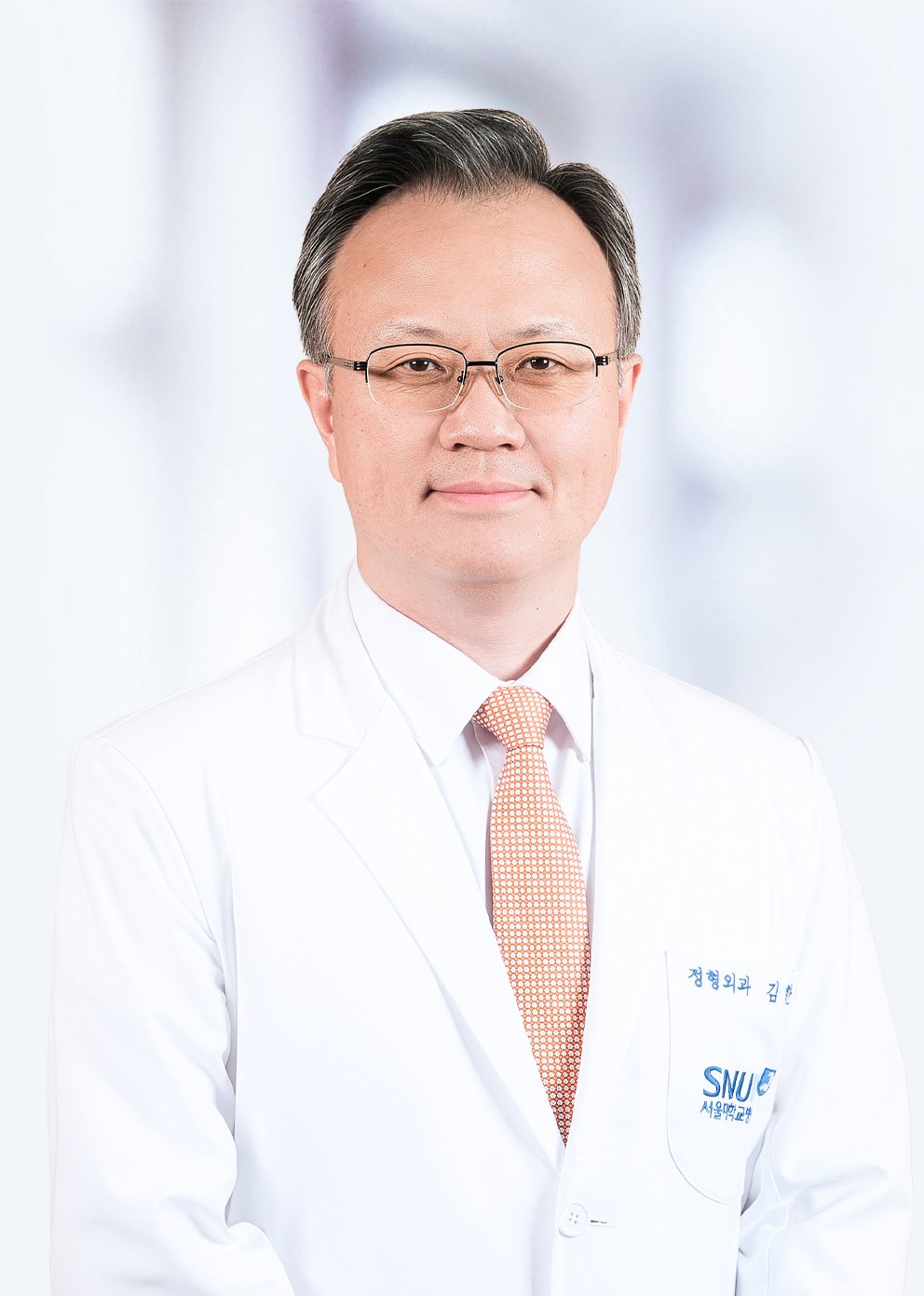
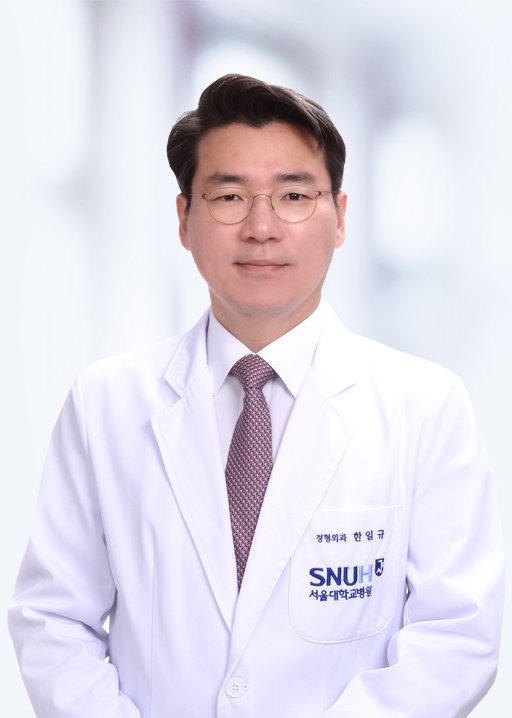
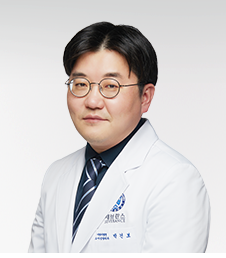
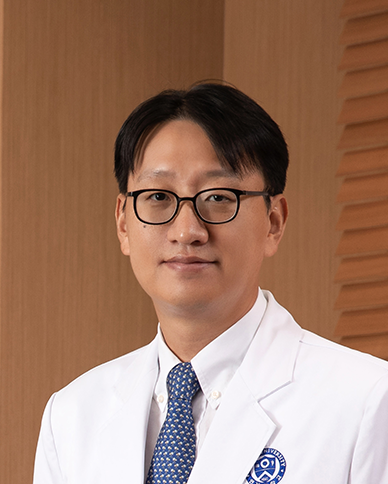
42 people are named on source-backed South Korea programme pages. Each profile links to the official source and to the programmes the person is connected to.
What orthopaedic training programmes are listed in South Korea?
OrthoFellow currently indexes 35 current canonical pathways in South Korea: 13 clinical fellowships, 1 research fellowships, 21 observerships and 0 short courses. 1 additional verified programme records have a closed or completed published cycle and remain monitored below. Open each profile for its exact classification and current cycle status.
Are international surgeons eligible for every programme in South Korea?
No. Eligibility, language, registration, immigration permission and hospital privileges depend on the specific programme and host. OrthoFellow shows published requirements and labels missing information for direct confirmation.
How current are the South Korea listings?
Each programme profile shows its own checked date and official source. Availability and deadlines can change, so applicants should reopen the current official programme page before applying or paying costs.
Is Seoul the main South Korea fellowship hub in OrthoFellow?
Seoul currently has the strongest indexed concentration, but OrthoFellow keeps other verified cities visible when source evidence supports them.
Are South Korea deadlines usually published?
Not always. Many profiles require direct enquiry, so OrthoFellow avoids inventing dates.
Can international surgeons get hands-on access in South Korea?
That depends on the host, role, registration and visa permission. Applicants should confirm directly with the official programme contact.
What documents do applicants usually prepare for South Korea?
Common documents include current cv with operative, research and teaching experience, motivation statement explaining subspecialty goals and host fit, medical degree, orthopaedic training certificate and board or college evidence where required, two or three references, often including a programme director or current head of department, passport, registration, visa or occupational-health documents when the hospital requires them. Programme profiles may require additional documents, so applicants should use the official source as the final checklist.
Does OrthoFellow estimate unpublished deadlines or funding in South Korea?
No. If a deadline, stipend, salary, accommodation or application route is not published by the official source, the profile is labelled as not published, direct enquiry required or current availability unconfirmed.
Your choice: optional Google Analytics
Help us understand which pages are useful. Google Analytics stays off unless you allow it. Declining does not affect access to OrthoFellow. Privacy policy